
What Does It Mean to Be a True Global Citizen?
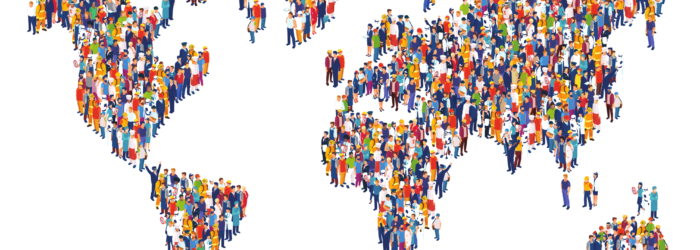
By Anshul Nadendla 7/25/24 To be a global citizen is to be an eclectic thinker. Too often, we become confined to our communal ‘bubbles’. A true global citizen is one who is willing to expose themselves to global perspectives that they otherwise would not have been informed about had they not taken the step out of their safe spaces. To be a global citizen also means to seek out global information and act upon
An Economic Analysis of the Mining Crisis

By Swara Maruvada 5/16/25 The mining industry is a cornerstone of global economic development. However, the pursuit of profits often contradicts societal and sustainability causes. The industry generated a record of 943 billion U.S dollars in 2022, and employs 609.9 thousand people as of 2023, (Garside, 2024). Despite these contributions, the mining sector faces scrutiny over labor rights violations and environmental degradation. To further understand the many aspects of this crisis, I conducted a full
“Who would care?” The Plight of the Gulf Victim
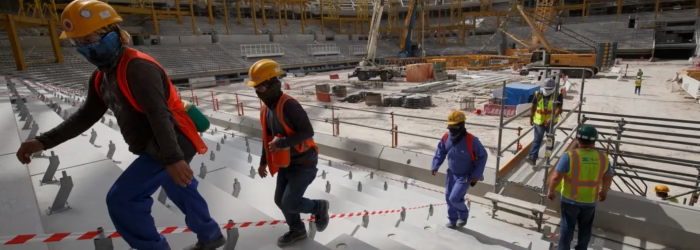
By Anshul Nadendla 12/20/24 “If we come home, it means debts. If we work there, it means hardship. These are our circumstances.” – Durgaya, 38 Durgaya, unable to find work in his hometown of Jagtial, India, journeyed to Dubai in search of work in 2016. While there, he worked arduously as a gardener for a beachfront resort.
We Must Make It Easier for Illinois College Students to Vote
By Yusr Albaghdadi & Anshul Nadendla 6/20/25 Students attending colleges in counties different from their permanent home address face significant obstacles when attempting to vote. Students living in dormitories or college-provided housing often lack the documentation required for voter registration, such as utility bills, mail addressed to the current address, or lease agreements. The result is reduced electoral participation among college-age voters, who may miss local elections by facing logistical challenges accessing polling places during academic periods.